
Dryuary Challenge 2026
Join the LSUHSC Wellness Committee for Dryuary 2026, a campus-wide challenge inviting LSUHSC-NO faculty, staff, residents, and students to start the new year by taking a break from alcohol throughout January.
Participating in Dryuary offers numerous benefits, including improved sleep quality, increased energy levels, better mental clarity, potential weight loss, and financial savings. This community-wide initiative provides an opportunity to reassess your relationship with alcohol, build healthier habits, and connect with colleagues who are working toward the same wellness goals. Whether you're looking to jumpstart your health in 2026 or simply curious about the benefits of an alcohol-free month, we invite you to take the Dryuary challenge with us!
Remember, if you miss a day, that's perfectly okay—what matters most is getting back on track and continuing your progress. The goal is progress, not perfection, so keep working at it throughout the month!
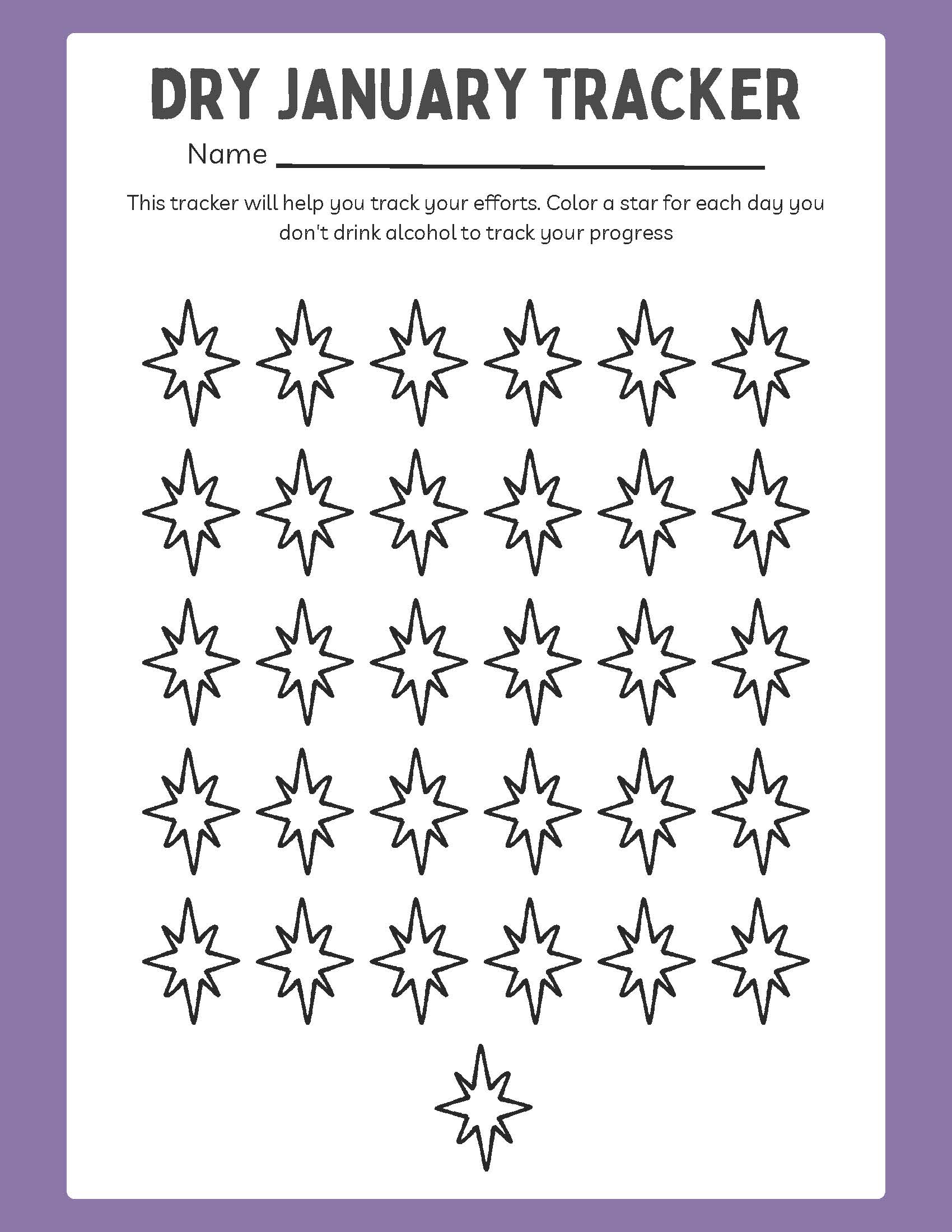
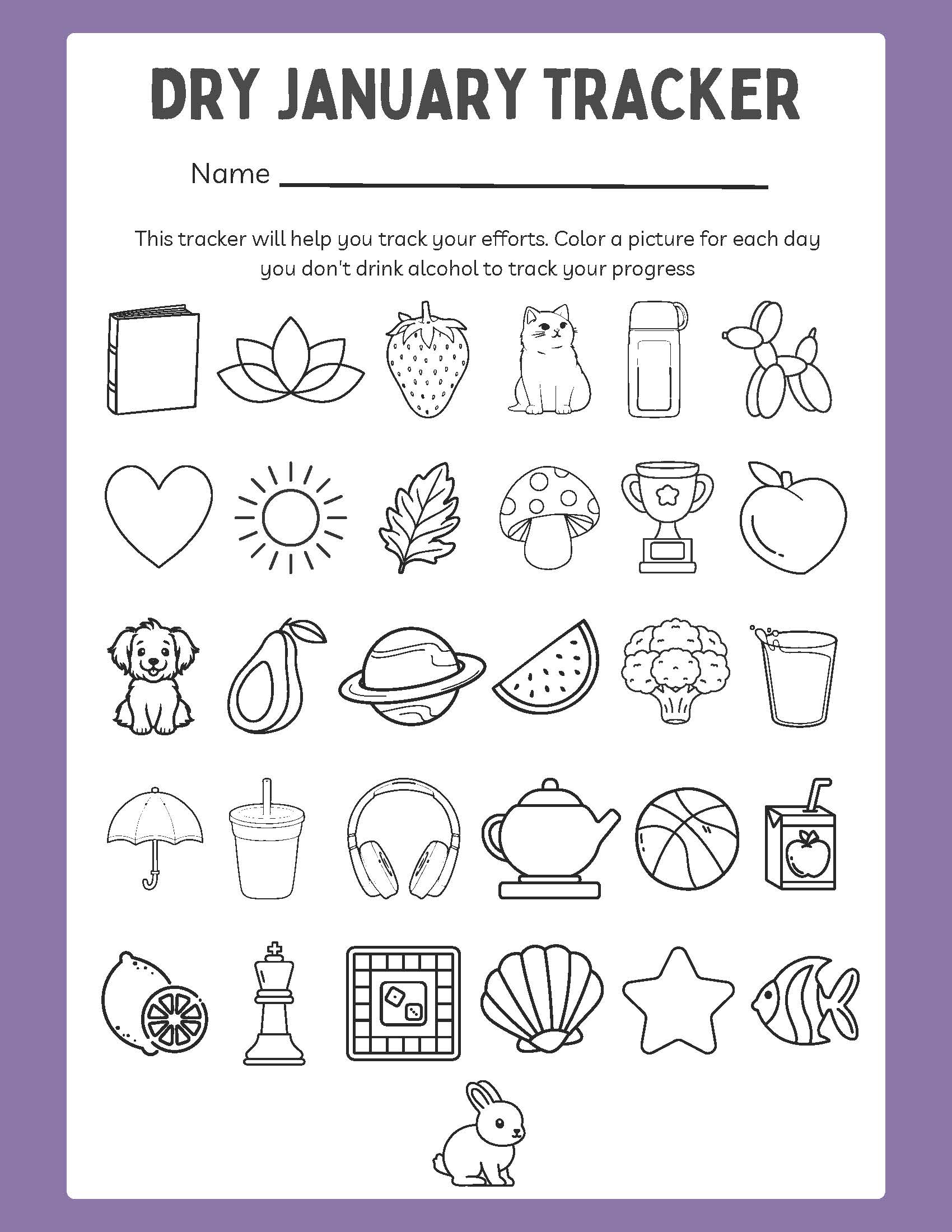
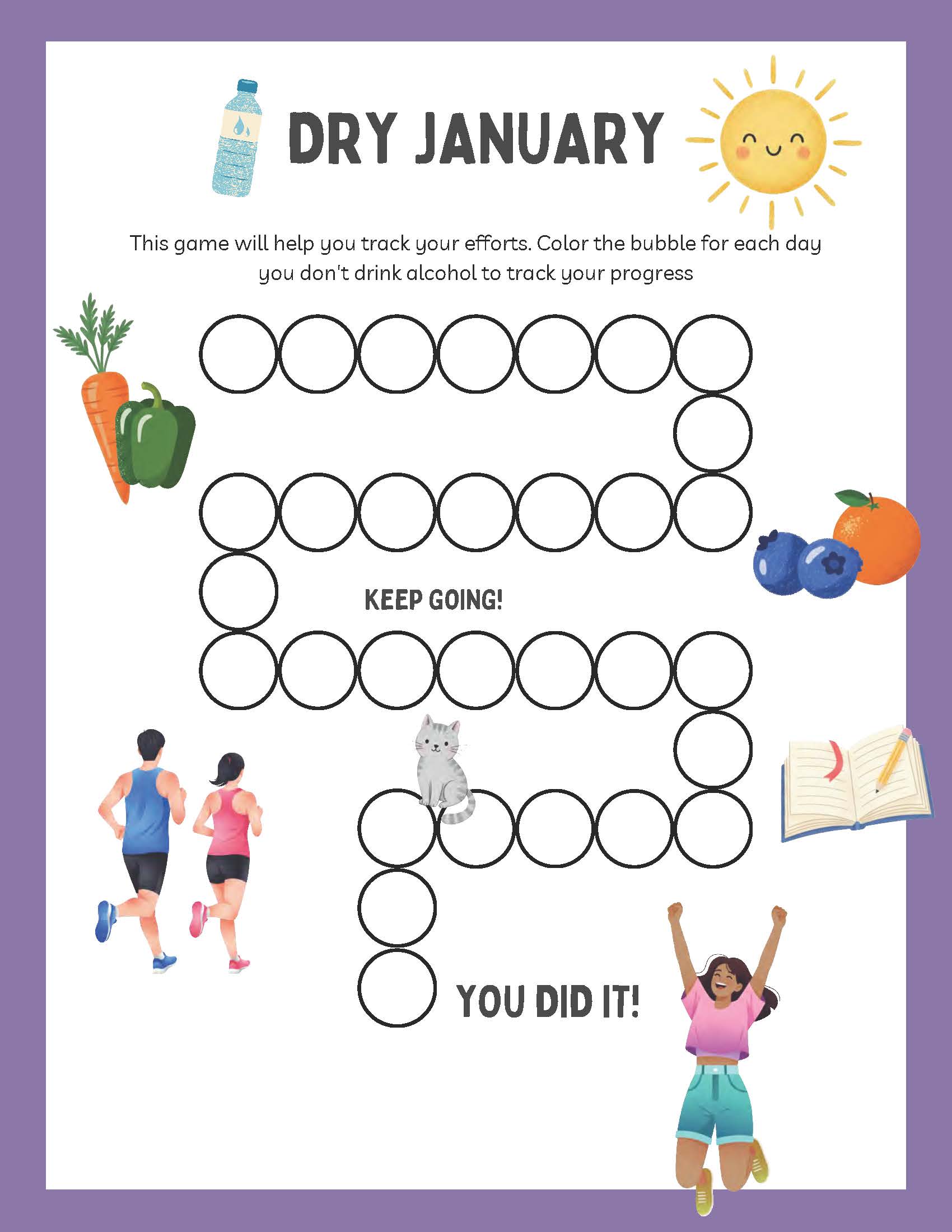
Use the Dryuary trackers to follow your progress and stay on track throughout the month:
|
|
Small Break, Big Impact: What Dry January Does for Your Body and Mind
A review analyzing 16 studies on Dry January with over 150,000 participants found that even a short-term pause in drinking can lead to meaningful physical and psychological improvements (Brown University School of Public Health, 2025).
Even participants who didn't abstain completely still experienced benefits, including better mental health (Brown University School of Public Health, 2025).
Participation in Dry January was related to reductions in alcohol consumption and increases in drink refusal self-efficacy among all respondents at 6-month follow-up, regardless of success, with changes more likely among those who successfully completed the challenge PubMed (de Visser & Robinson, 2016).
Both successful and unsuccessful participants frequently reported health benefits, including sleep improvement and weight loss PubMed (de Ternay et al., 2022).
When people stop drinking for a month, they have a chance to reassess their relationship with alcohol and may realize they do not need alcohol in every social setting to enjoy themselves University of Virginia News (University of Virginia, 2025).
Resources
|
The Rethinking Drinking website from the U.S. National Institute on Alcohol Abuse and Alcoholism offers evidence-based information, interactive tools, and practical resources to help adults understand their drinking patterns, assess risk, and find support for reducing or quitting alcohol use. |
|
The SAMHSA Alcohol Use – Facts and Resources fact sheet is a two-page guide outlining key facts about alcohol use and risky drinking behaviors, offers tips for cutting down, and lists evidence-based resources and tools for prevention, treatment, and support related to alcohol use and misuse. |
|
The SAMHSA.gov website is the official U.S. federal government site for the Substance Abuse and Mental Health Services Administration, offering information, resources, and support on mental health and substance use prevention, treatment, recovery, helplines, and related services. |
|
CADA Prevention & Recovery Center The website cadagno.org is the online presence of the CADA Prevention & Recovery Center, a nonprofit organization in Greater New Orleans offering substance abuse prevention, treatment, recovery support, mental health counseling, and community education services to promote health and resilience. |
|
The official online presence of Alcoholics Anonymous provides information about the nonprofit, peer-support fellowship’s recovery program for people with drinking problems, resources to find local meetings, guidance on the 12-step approach, self-assessment tools, and support for those seeking to stop or reduce alcohol use. |
|
Alcoholics Anonymous – New Orleans The official Central Office site for Alcoholics Anonymous in the Greater New Orleans area provides information on local AA meetings, resources for people affected by alcohol use, hotlines, events, and support services to help individuals connect with the recovery community. |
|
The website 988lifeline.org is the official online hub for the 988 Suicide & Crisis Lifeline, a free, confidential, 24/7 service in the United States that connects people in suicidal crisis, emotional distress, or behavioral health emergencies with trained crisis counselors via call, text, or online chat. |
|
The LSUHSC Campus Assistance Program (CAP) is a free, confidential service for students, faculty, staff, and their immediate families that offers short-term counseling, problem assessment, crisis support, and referrals to help address personal, academic, or work-related issues and promote overall well-being. |
| *de Ternay, J., Leblanc, P., Michel, P., Benyamina, A., Naassila, M., & Rolland, B. (2022). One-month alcohol abstinence national campaigns: A scoping review of the harm reduction benefits. Harm Reduction Journal, 19(1), 24. https://doi.org/10.1186/s12954-022-00603-x |